
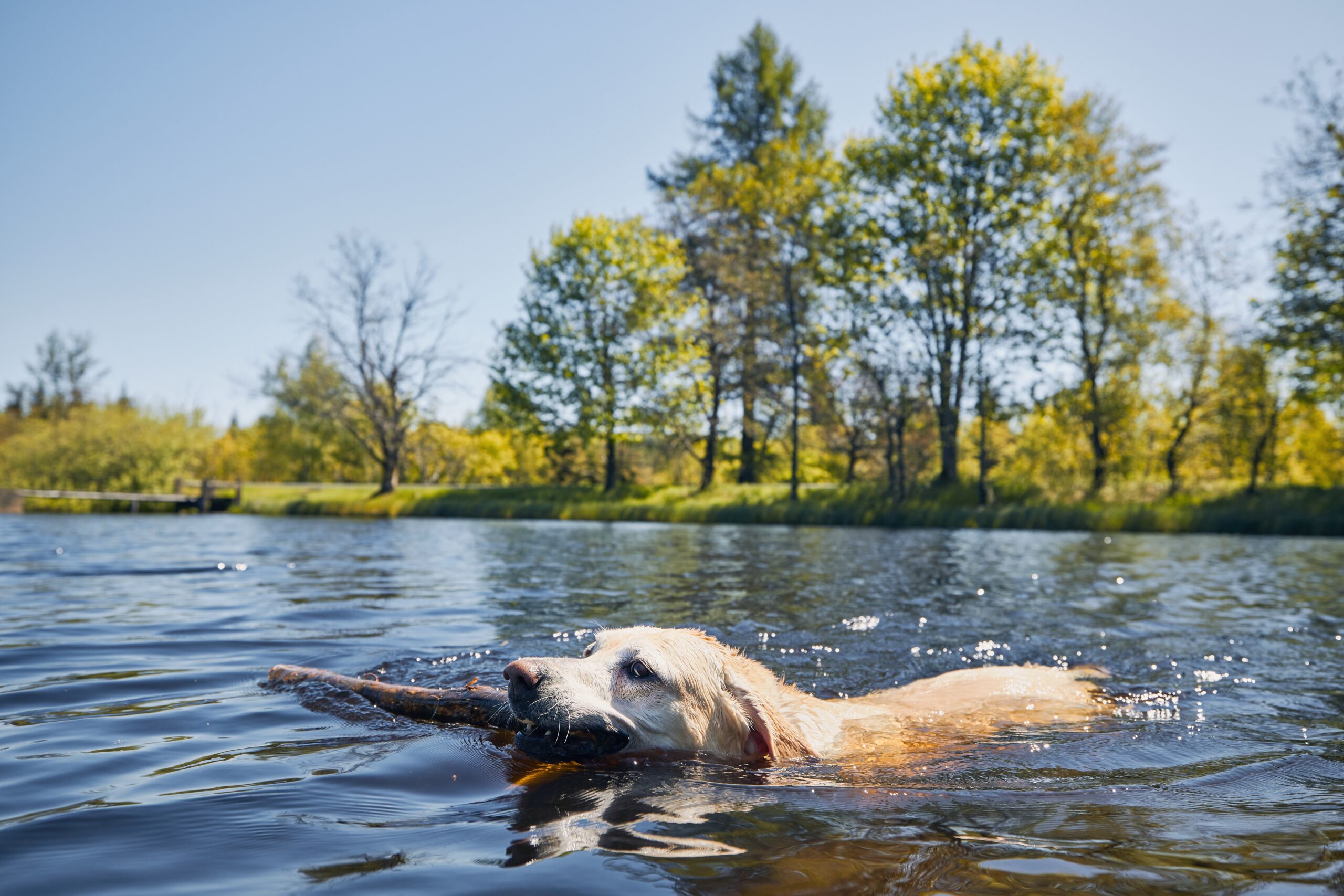
Before Your Dog Dives In: A Guide to Summer Water Safety
Summer in the Peterborough area and the Kawarthas means time on the water, and for many of us, our dogs are right there in the boat or splashing at the shoreline. Watching a happy dog paddle around on a hot day is one of the best parts of the season. Water does come with real risks for pets, though, and a few of them are easy to miss until something goes wrong. A little planning goes a long way toward keeping your dog safe, so before your next trip to the lake, here’s what every dog owner in Peterborough should know.
Not Every Dog Is a Natural Swimmer
It’s a common myth that all dogs instinctively know how to swim. Some breeds take to the water immediately, while others struggle to stay afloat at all. Dogs with heavy chests or short legs often have a hard time swimming, and flat-faced breeds can struggle too. Senior dogs and dogs carrying extra weight tire much faster than you’d expect.
If your dog is new to swimming, introduce the water slowly. Start in a shallow, calm area where they can touch the bottom and build confidence at their own pace, and stay close the whole time. Never toss a dog into the water to “teach” them. A frightening first experience can create a lifelong fear, and it puts them at real risk in the moment.
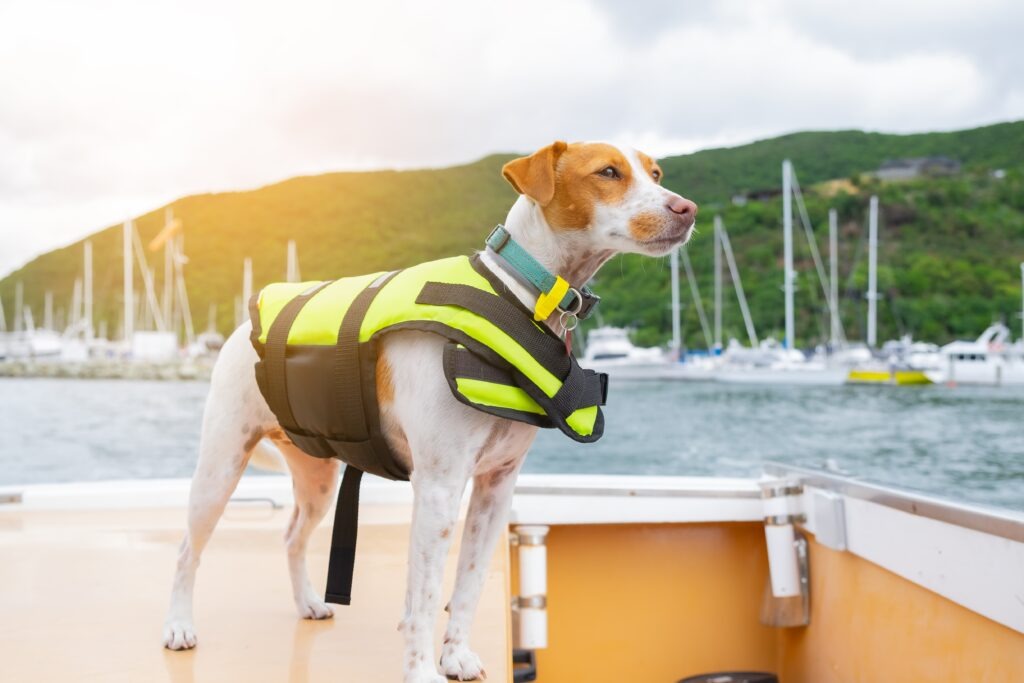
Boating With Your Dog Starts With a Life Jacket
If your dog is joining you on the water, whether in a boat or a canoe, a properly fitted canine life jacket isn’t optional. Even strong swimmers can panic after an unexpected fall overboard, and cold water or boat wake can exhaust a dog quickly. Look for a life jacket with a sturdy handle on the back so you can lift your dog out of the water if needed.
Let your dog wear the life jacket around the house or yard first so it feels familiar before you launch. On the water, keep your dog away from the edge while the boat is moving, and give them a shaded spot with plenty of fresh drinking water. Plan your outings for cooler parts of the day when you can, since a dog on a boat has nowhere to escape the sun.
Why Your Dog Shouldn’t Drink From the Lake
That quick slurp from the shoreline might look harmless, but lake water can make your dog seriously ill. The biggest concern in Ontario is blue-green algae, also known as cyanobacteria, which can produce toxins that are harmful to humans and animals. Blooms are most common in late summer or early fall, and they tend to form in warm, shallow water that moves slowly. Dogs are especially vulnerable because they play in the water, and they can also swallow toxins later while licking their coat.
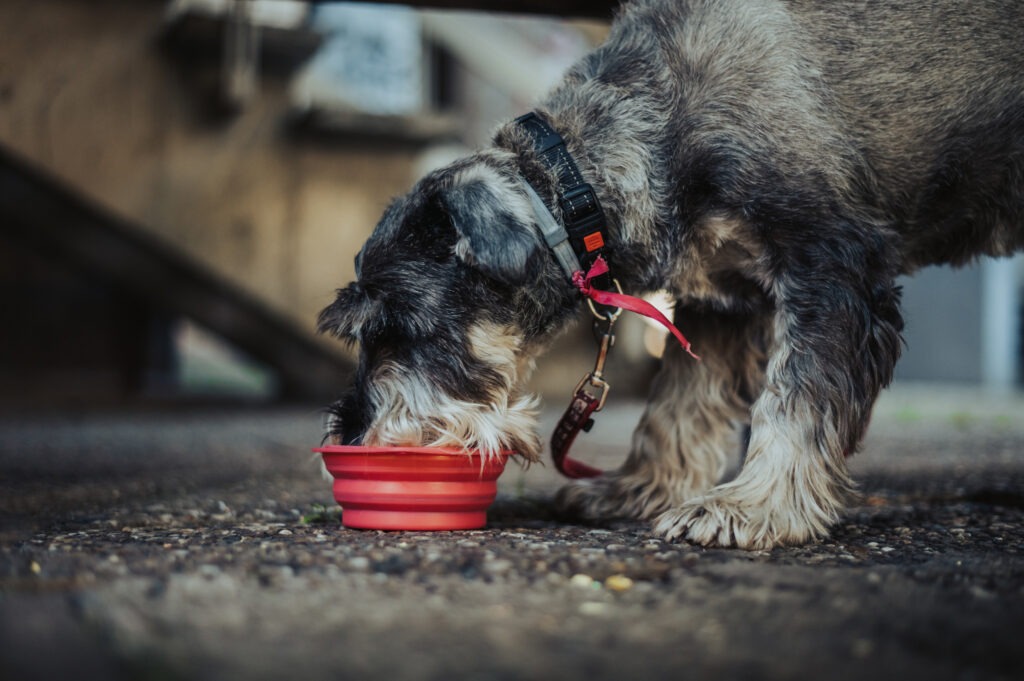
Here’s the tricky part. You can’t tell if a bloom contains harmful toxins just by looking at it, so any water that looks like pea soup or has a scummy film along the shore should be completely off limits. The safest habit is simple. Bring your own fresh water and a collapsible bowl every time you head out, and offer it often so your dog isn’t tempted by the lake. If your dog does swim in natural water, rinse them off with clean water afterward. Blue-green algae poisoning can come on fast and turn very serious, so watch for warning signs such as vomiting or stumbling and call a veterinarian right away if they appear.
You can learn about blue-green algae and how to report a suspected bloom on the Government of Ontario website.
The Trouble With Shared and Public Water Bowls
Those communal water bowls outside cafés and shops, or at the dog park, are a kind gesture, but they carry a risk worth knowing about. When a bowl sits out all day and isn’t cleaned or refreshed, the standing water can hold bacteria and parasites. A dog can also leave germs behind by stepping into the bowl with a paw that has been on contaminated ground.
Ontario vets flag two illnesses in particular when it comes to standing and contaminated water. Leptospirosis is a bacterial disease spread through the urine of infected wildlife and rodents, and the bacteria thrive in warm, wet places and standing water. It can damage the kidneys and liver, it can pass to people, and southern Ontario is a known hotspot. Giardia is an intestinal parasite that spreads through fecal contamination and often turns up in standing water and around dog parks. It can cause diarrhea, though many dogs carry it without ever getting sick.
It’s worth keeping this in perspective. A healthy adult dog with a strong immune system will often be fine, and plenty of dogs sip from a shared bowl now and then without any trouble. The risk is highest for puppies and seniors, along with any dog whose immune system is already weakened, so those are the pets to be most careful with. The easy fix is the same one that helps at the lake. Carry a collapsible bowl and your own water so your dog always has a clean drink, wherever the day takes you.
Exhaustion and Drowning Can Happen to Strong Swimmers
Most water emergencies involving dogs don’t look dramatic. A tired dog simply slows down, sits lower in the water, and struggles quietly. Ball-obsessed retrievers are especially at risk because they’ll keep fetching long past the point of exhaustion. Build in mandatory rest breaks, even if your dog seems eager to keep going, and end the session while they still have energy left.
Watch for warning signs like heavy panting or a dog whose hind end starts to sink. Currents in rivers can be deceptively strong, and sudden drop-offs in lakes catch dogs off guard. Around backyard pools, make sure your dog knows exactly where the steps are and practise using them, because a dog who falls in and can’t find the exit is in serious danger. Supervise every swim the same way you’d supervise a child. If you wouldn’t take your eyes off a toddler near the water, don’t take them off your dog.
Keeping Your Dog Healthy All Summer Long
Water safety is just one piece of keeping your dog healthy through an Ontario summer. Regular veterinary care helps make sure your dog is fit for a summer of swimming and boating. The Peterborough Regional Spay/Neuter Clinic offers affordable spay and neuter services along with wellness care, and it’s open to everyone, no matter where you live. You don’t have to be a Peterborough resident to book, so pet owners from across the region and beyond are always welcome.
If your pet is due for care, you can book an appointment at the Peterborough Regional Spay/Neuter Clinic or call 705-775-9034. We hope you and your dog have a safe and splashy summer on the water. If you ever have questions about pet safety, we’re always happy to help.
Sources
- Government of Ontario, Blue-Green Algae
- Worms & Germs Blog, Ontario Veterinary College at the University of Guelph
- VCA Canada Animal Hospitals, Cyanobacteria Poisoning
- Government of Canada, Leptospirosis
- Western College of Veterinary Medicine, University of Saskatchewan, Learn About Parasites Giardiaa