
What to Do if You Have a Wildlife Concern in the Peterborough Area
Every spring, our phones start ringing a little more. People spot a raccoon in the yard or find a baby bird on the ground, and they do the right thing, they reach out for help. We love that about this community.
But there’s something important to know before you call us.
PHS is not a wildlife rescue or rehabilitation centre, and we’re not able to accept or assist with wildlife under any circumstances. This isn’t a policy choice, it’s the law. In Ontario, only licensed wildlife custodians are legally authorized to provide care to wildlife that’s hurt, sick, or orphaned. The good news is there are wonderful people and resources out there who can help.
Is the Animal Really in Trouble?
Most wild animals are naturally shy around people and would rather avoid us than approach. Seeing one out during the day isn’t unusual either, since plenty of species are active at different times depending on food availability or the season.
The same goes for babies. Many wild parents leave their young alone for stretches of time while they forage nearby, then return later. A baby sitting quietly in one spot isn’t necessarily abandoned, and stepping in too soon can sometimes do more harm than good.
We really encourage you to spend a few minutes on Ontario Wildlife Rescue‘s species pages, since they include genuinely useful detail on what’s normal behaviour for different animals. That information can help you figure out whether an animal actually needs help or is simply doing what wild animals do.
What You Should Never Do
A few habits come from good intentions but can do more harm than good.
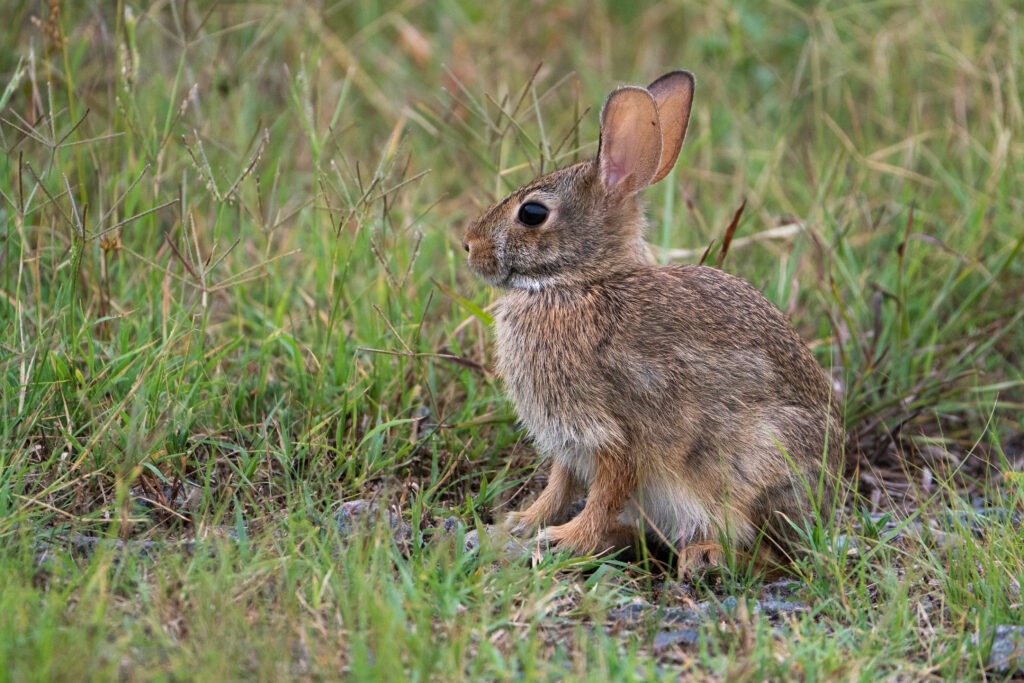
- Never trap and relocate a wild animal yourself. Ontario law generally requires captured wildlife to be released within one kilometre of where it was found, and moving an animal farther than that usually shortens its life rather than saving it. If a mother is moved, any babies left behind in a den won’t survive without her.
- Never feed wild animals. It draws them closer to homes and roads and can make ongoing conflicts more likely over time.
- Never try to treat or keep a wild animal at home for longer than necessary. You may temporarily hold a hurt or orphaned wild animal for up to 24 hours while arranging transfer to a wildlife custodian or veterinarian, but ongoing care has to be left to a licensed rehabilitator.
- Never assume hands-on help is needed before checking. A quick look at a reliable source can often save you and the animal a stressful situation.
Start With Ontario Wildlife Rescue
Ontario Wildlife Rescue connects people who have found injured or orphaned wild animals with licensed rehabilitators and wildlife rescue centres across Ontario. Visit their site and search by species to find help near you. The first 24 to 48 hours after a wild animal is found are the most critical, so reaching out quickly can make a real difference.
While You Wait
If you need to briefly contain a sick or injured animal before help arrives, keep it in a cardboard box in a dark, quiet place with a heat source like a wrapped hot water bottle, and don’t offer food or water until you’ve spoken with a rehabilitator. Toronto Wildlife Centre has excellent species-specific guidance on containment and temporary care while you wait.
If you need to handle the animal, use heavy or disposable gloves and wash your hands thoroughly afterward. If you’re concerned about possible disease exposure, contact your local Public Health Unit right away.
Found a Baby Animal Alone
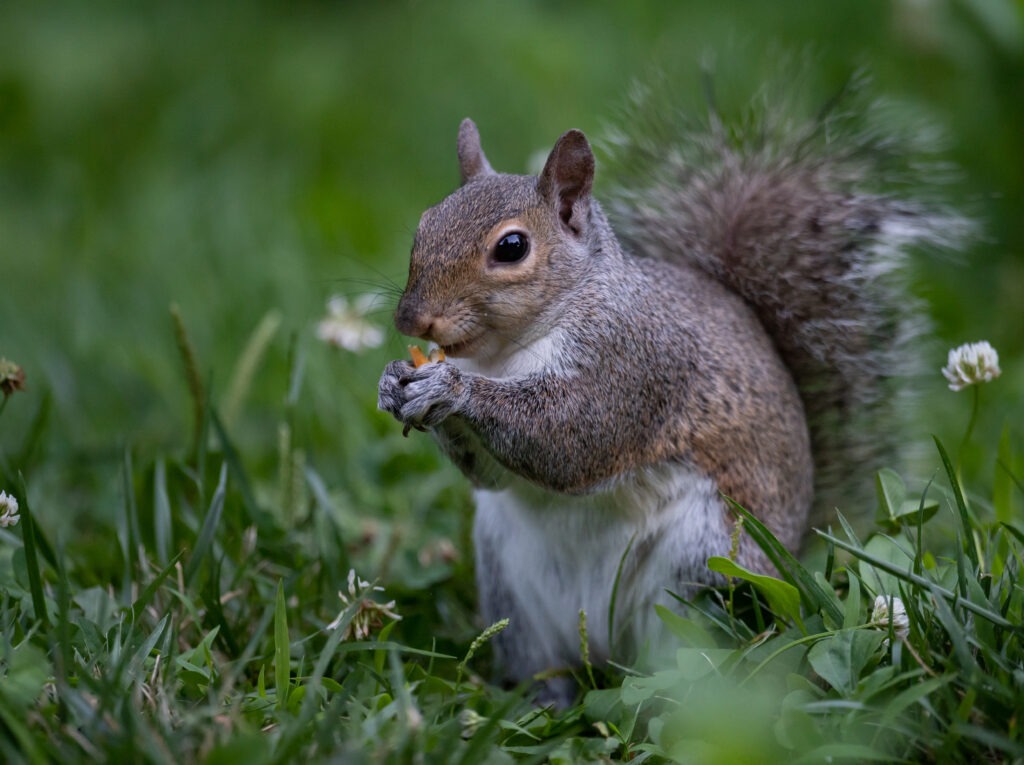
Watch from a distance for a while before stepping in. If a good amount of time passes and a parent hasn’t returned, the same resources above can help connect you with a licensed rehabilitator.
Let’s Talk About Raccoons
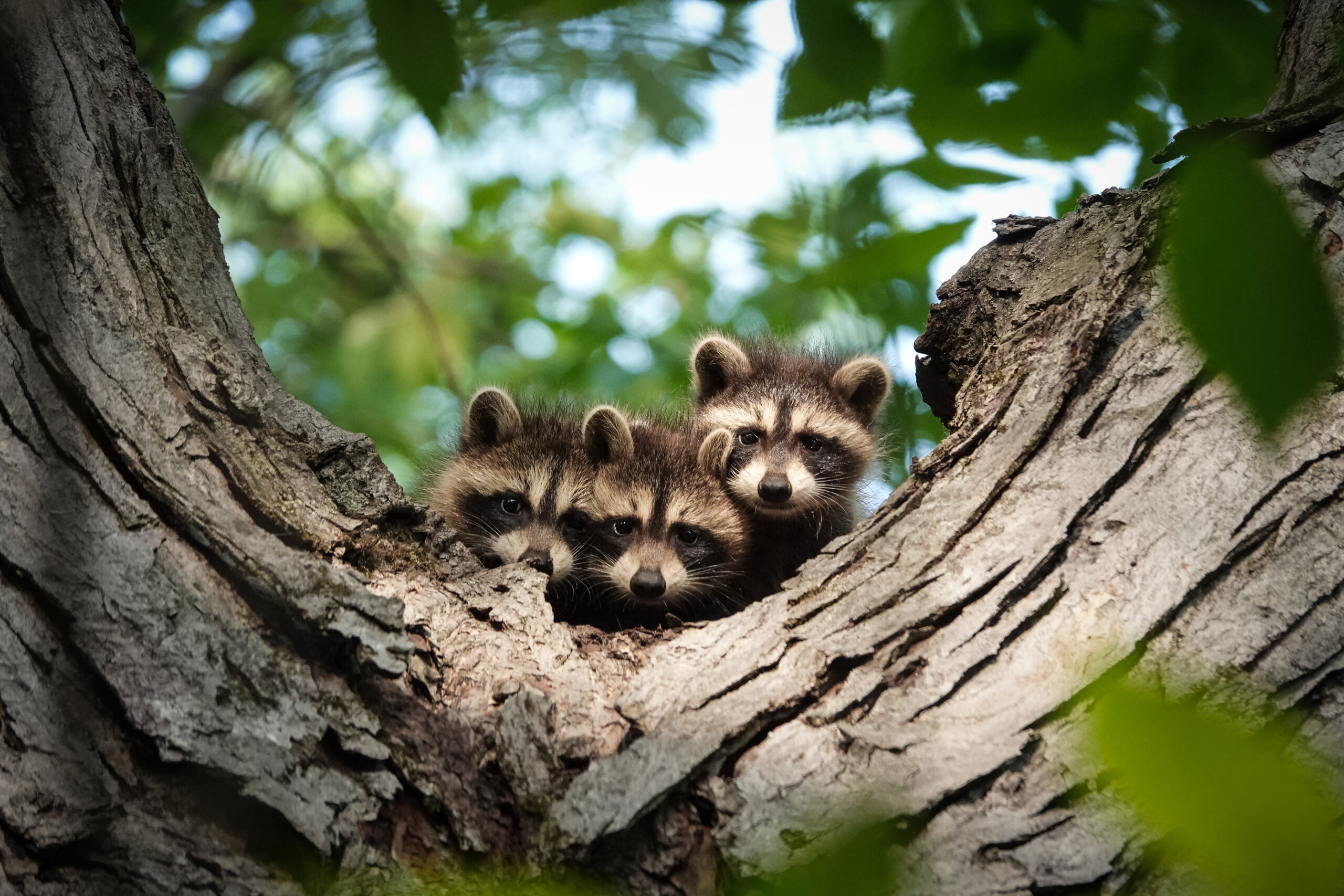
Raccoons make up a big share of the calls we get, and the number one worry is almost always rabies. Here are some facts that might put your mind at ease.
Most raccoons do not have rabies. Ontario has been running an active raccoon rabies control and vaccination program since the 1980s, and the results speak for themselves. In 2023, six cases of raccoon strain rabies were confirmed in Southern Ontario, all in the Niagara region. There were zero confirmed cases in both 2024 and 2025. Every recent case has been concentrated hundreds of kilometres away, in southwestern Ontario.
Seeing a raccoon during the day doesn’t mean it has rabies. This is one of the most common concerns we hear, and it’s almost never cause for alarm. Raccoons can be active during the day for plenty of normal reasons, including searching for food, being disturbed from a sleeping spot, or nursing young. A raccoon that looks alert and moves with purpose is most likely just fine.
That said, there are real signs worth watching for. It’s never normal for an adult raccoon to lose its balance, struggle to walk, or seem unusually lethargic. Unprovoked aggression, seizures, and excessive drooling are also signs to take seriously. If you see a raccoon behaving this way, don’t approach it, and contact a licensed wildlife rehabilitator right away.
For a deeper look at raccoon behaviour, Ontario Wildlife Rescue’s species resources are a great place to start.
Found an Injured Turtle
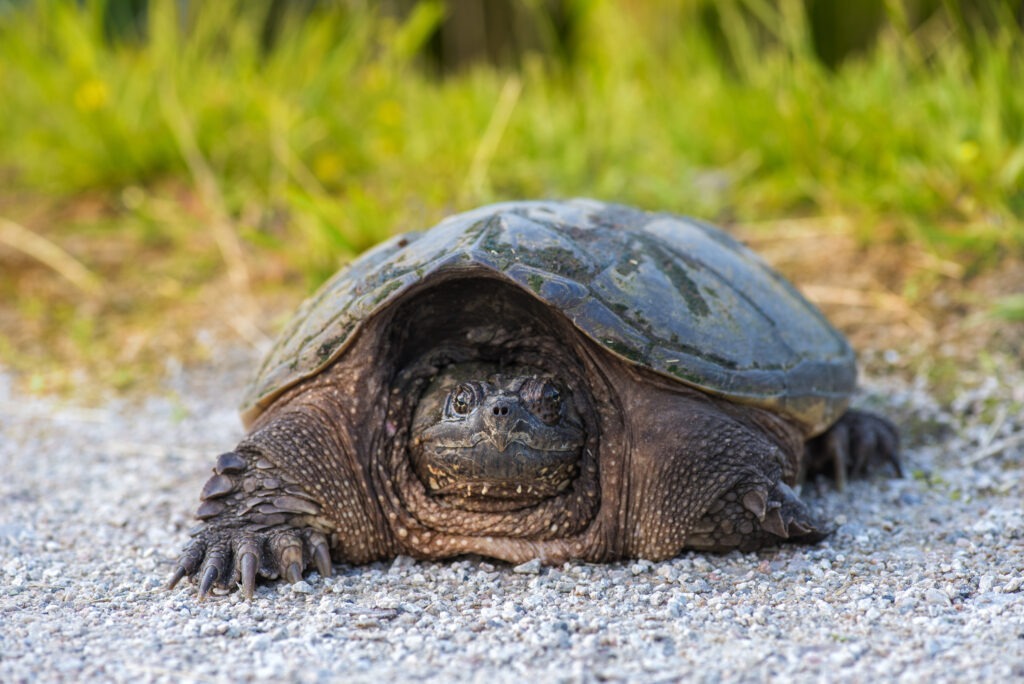
Peterborough is home to the Ontario Turtle Conservation Centre, home of the Kawartha Turtle Trauma Centre and the province’s only dedicated turtle hospital. If you find an injured turtle anywhere in Ontario, call 705-741-5000.
Have Wildlife Living in Your Home
A raccoon in the attic or a den under the porch is a different situation than an injured animal, and it calls for a licensed wildlife control company rather than a DIY trap. Companies like Skedaddle Humane Wildlife Control use approved exclusion methods, like sealing entry points and giving animals a safe way out, instead of capturing and relocating them, which keeps both your home and the animal protected.
Use These Resources to Find Accurate Information
We’d rather you get the most current, species-specific answer than rely on a single blog post, ours included.
- Ontario Wildlife Rescue: Search by species to find a licensed rehabilitator near you..
- Toronto Wildlife Centre: Species-specific care guidance and an online request for assistance form.
- Ontario government guidance: Official direction on how to help wildlife that’s hurt or needs care.
- Ontario Turtle Conservation Centre: Ontario’s dedicated turtle hospital, located in Peterborough. Call 705-741-5000 for an injured turtle.
- Skedaddle Humane Wildlife Control: Handles humane exclusion of animals like raccoons from homes and businesses.
- Ontario’s rabies surveillance and control program: Current information on rabies cases and prevention efforts in Ontario wildlife.
Most wildlife encounters in Peterborough turn out just fine on their own. Checking in with the resources above is the best way to know for sure, and if you ever have questions about a companion animal instead, our team is always here.